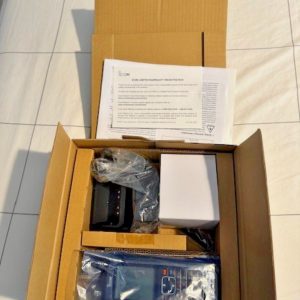
:::writingvariant="document" id="58314" ICOM IC-A25N Handheld NAV/COM Transceiver w/ Bluetooth – Open Box: Advanced Pilot Communication The ICOM IC-A25N Handheld NAV/COM Transceiver w/ Bluetooth – Open Box provides pilots and aviation professionals with a convenient combination of communication, navigation support, portable operation, and wireless connectivity. An open-box unit can provide excellent commercial value when the radio, battery, antenna, charger, documentation, and included accessories remain complete and in suitable condition. The ICOM IC-A25N Handheld NAV offers a flexible option for private pilots, commercial operators, instructors, aviation students, and support personnel. As an ICOM IC-A25N Aviation Radio, the transceiver may be used during normal flight operations, communication training, airport monitoring, ground coordination, and emergency preparation. A portable ICOM IC-A25N Handheld Radio supports flexible aviation operations because it can remain with the pilot rather than being permanently installed in one aircraft. A Handheld NAV/COM Aviation Transceiver can reduce the need to carry separate portable communication and navigation receivers for certain aviation tasks. Whether the device will function as a Handheld Aviation Radio, Aviation NAV/COM Radio, Pilot Handheld Radio, or Aircraft Communication Radio, users should become familiar with its controls before relying on it. The unit may also serve as a Portable Aviation Transceiver, Aviation Communication Device, Handheld Aircraft Radio, Aviation Navigation Radio, ICOM Pilot Radio, Emergency Aviation Radio, or Backup Aircraft Radio for appropriate aviation applications.
Overview of the ICOM IC-A25N Aviation Radio
The ICOM IC-A25N is designed to provide aviation communication and navigation-related functionality in a portable enclosure suitable for cockpit, ramp, hangar, training, and emergency use. The device may help pilots reduce equipment clutter by integrating several useful capabilities into one flight-bag-friendly radio. Real-world results depend on setup, antenna use, radio configuration, location, surrounding structures, and the condition of the complete package. Operators should include the radio in normal equipment checks so batteries, more info accessories, and settings remain ready for use.Benefits of the ICOM IC-A25N Handheld NAV
The ICOM IC-A25N Handheld NAV can support pilots who want portable access to aviation communication and navigation information during flight preparation or cockpit operations. Flight schools can use portable radios to support classroom discussions, ramp communication, operational demonstrations, and backup planning. Pilots should verify information using suitable aviation references and avoid relying on one portable device for every navigation decision. Pilots should avoid burying backup equipment under baggage where it cannot be reached quickly during flight.ICOM IC-A25N Aviation Radio for Pilots
The radio may be useful to pilots operating aircraft with limited avionics, temporary communication problems, or different cockpit configurations. Maintenance providers may monitor aviation activity while working outside the aircraft or coordinating ground movements. An open-box product should be evaluated carefully even when it appears unused or lightly handled. An independent review may provide additional confidence when the radio cannot be examined in person.ICOM IC-A25N Handheld Radio Portability
A compact radio can remain in a flight bag alongside headsets, charts, flashlights, batteries, and other essential pilot equipment. Pilots should protect the radio with a suitable case or organized storage compartment to reduce the risk of impact, moisture, connector damage, or accidental control activation. Preparation outside the aircraft supports more confident, efficient, and less distracting use during actual operations. Aircraft cabins and parked vehicles can reach temperatures that may affect batteries, displays, housings, and electronic components.Handheld NAV/COM Aviation Transceiver Applications
A Handheld NAV/COM Aviation Transceiver combines portable communication and navigation-related capability within one device, making it useful for pilots who value multifunction equipment. Commercial value depends on condition, package completeness, included equipment, seller support, and the cost of any missing accessories. A handheld transceiver becomes more dependable when it is included in routine preflight preparation rather than checked only during emergencies. After use, the device should be cleaned gently, charged as appropriate, disconnected from unnecessary accessories, and returned to protected storage.Handheld Aviation Radio for General Aviation
Portable radio access can improve operational flexibility when users move frequently between aircraft and aviation environments. Pilots should avoid assuming that an unused radio stored for years will operate correctly without battery care and periodic testing. Users may experience improved range when the antenna has a clear position compared with operation deep inside a metal airframe or enclosed structure. Responsible communication protects aviation operations and helps users gain the full value of a professional handheld radio.Using an Aviation NAV/COM Radio
An Aviation NAV/COM Radio gives pilots portable access to communication and navigation-support features that may complement installed cockpit avionics. Important features should be practiced on the ground before the radio is used during high-workload phases of flight. A handheld device may provide valuable reference information but should not replace required installed equipment or approved procedures where those are necessary. The antenna should be attached properly and protected from interference with controls or cockpit movement.Choosing a Pilot Handheld Radio
A Pilot Handheld Radio offers flexibility to aviation professionals whose work involves several aircraft, airports, and operational environments. The device should remain accessible to the pilot without becoming a loose object or interfering with cockpit controls. Pilots can include the handheld in periodic proficiency exercises without making unauthorized or unnecessary transmissions. Pilots may consider carrying an appropriate backup power option when supported by the equipment and mission requirements.Choosing an Aircraft Communication Radio
A handheld radio may provide additional flexibility during aircraft demonstrations, test preparation, delivery operations, or extended maintenance events. Clear communication depends on more than radio quality because users must understand procedures, frequencies, terminology, timing, and radio discipline. Users should establish realistic expectations by testing the radio in normal conditions rather than assuming identical range to panel equipment. Users should stop relying on the unit if it displays intermittent function or unexplained shutdowns until the concern is resolved.Portable Aviation Transceiver Advantages
The ability to carry the radio personally helps operators maintain access to familiar controls and stored settings. Charging equipment should be identified clearly and kept with the correct radio and battery system. Bluetooth capability can improve convenience by supporting compatible wireless audio arrangements and reducing the number of cables around the pilot or operating area. Pilots should avoid troubleshooting complicated pairing issues during high-workload phases of flight.Choosing an Aviation Communication Device
An Aviation Communication Device should provide clear operation, accessible controls, dependable power, suitable audio, and practical compatibility with the user’s aviation environment. An open box may result from display, return, inspection, testing, damaged packaging, or another non-operational reason. Organized equipment management helps ensure that the radio remains available and serviceable for the next user. A well-managed Aviation Communication Device can support efficient and dependable operations across many aviation roles.Choosing a Handheld Aircraft Radio
The radio’s portable form allows pilots to monitor or communicate without remaining seated at the aircraft instrument panel. Using the radio on the ground can preserve aircraft battery power and reduce the need to energize installed avionics solely for monitoring or coordination. The unit must remain accessible without forcing the pilot to look away from primary responsibilities for an extended period. Charging ports and connectors should remain dry and free from debris before accessories are attached.Aviation Navigation Radio Applications
A combined navigation and communication unit can help pilots maintain familiarity with one device rather than carrying unrelated portable tools. Students should receive appropriate instruction so the device supports learning rather than creating misunderstanding or distraction. Pilots remain responsible for route planning, weather evaluation, airspace awareness, fuel management, and safe aircraft control. The manual and quick-reference information should be available until the pilot can use important functions confidently.ICOM Pilot Radio Applications
The IC-A25N provides a combination of communication, navigation support, Bluetooth connectivity, and portable power suitable for varied aviation roles. A complete and well-documented package can be more valuable than a lower-priced unit missing essential equipment. Aviation students may prioritize ease of learning, while experienced pilots may focus on backup capability, portability, and integration. Once acquired, the radio should be labeled, documented, configured, charged, tested, and stored in an accessible location.Emergency Aviation Radio Preparedness
A handheld radio may support a pilot’s response to an abnormal situation by providing portable communication capability independent of the main panel system. A written quick-reference guide may help, but it should remain simple enough to use without creating distraction. Emergency preparation may include checking battery endurance, carrying an appropriate backup power source, protecting the antenna, and confirming headset compatibility. Preparedness transforms an Emergency Aviation Radio from a stored accessory into a meaningful backup communication tool.Using a Backup Aircraft Radio
Backup equipment can be particularly valuable during cross-country operations, aircraft delivery, training, rental flying, or travel in older aircraft. A dependable backup radio is the result of consistent preparation rather than the assumption that unused equipment remains ready. The device should be placed where it can be retrieved quickly without interfering with flight controls or becoming a loose object. Pilots should use clear, concise communication and follow appropriate procedures for the situation and operating environment.Buying an Open-Box ICOM IC-A25N
Buyers should review the radio body for scratches, cracks, missing labels, damaged controls, loose components, or wear around frequently handled areas. The package should be compared with the seller’s inventory to confirm the radio, battery, antenna, charger, adapters, clip, documentation, packaging, and other included accessories. Functional testing should include power-on behavior, charging, control response, display operation, speaker audio, microphone function where appropriately tested, and accessory recognition. A professional purchasing process protects both parties and supports a fair evaluation of the open-box aviation transceiver.Maintenance and Long-Term Radio Care
A professional handheld transceiver should be managed as aviation equipment rather than treated like an ordinary consumer radio. Inspection frequency may need to increase when the device is shared, carried daily, used outdoors, exposed to maintenance environments, or stored in an aircraft.- Confirm that the device powers on, responds correctly, holds charge, produces clear audio, and remains properly configured.
- Test the complete communication setup in an appropriate manner and understand how to use the radio without Bluetooth if needed.
- Use a protective case or dedicated flight-bag compartment so the radio remains accessible, complete, and free from damage.